Happy Thanksgiving – Extra Grateful This Year

Happy Thanksgiving from my family to your family! I’m up early this AM enjoying my coffee waiting for my Cardinal friends to show up and say Good Morning!

I started my Cardiac Sarcoidosis journey while in North Carolina at the end of April this year. Before leaving Duke University Hospital in NC, I left with a shiny, new ICD! I’ve been to countless doctors appointments and a few tests at Jefferson University Hospital in Philadelphia since June and I feel like I’m my own personal Pharmacy (lol)!

At my most recent doctor’s appointment they shared that my ICD has 13 years left on it. Why is that important? Most have a 10 year lifespan. With mine having 13 years – I’m not using my ICD much – it was primarily implanted for pacing purposes – but there is a risk with Cardiac Sarcoidosis that I could at some point need use of a defibrillator (haven’t needed it so far) – so I have both. Win #1!!

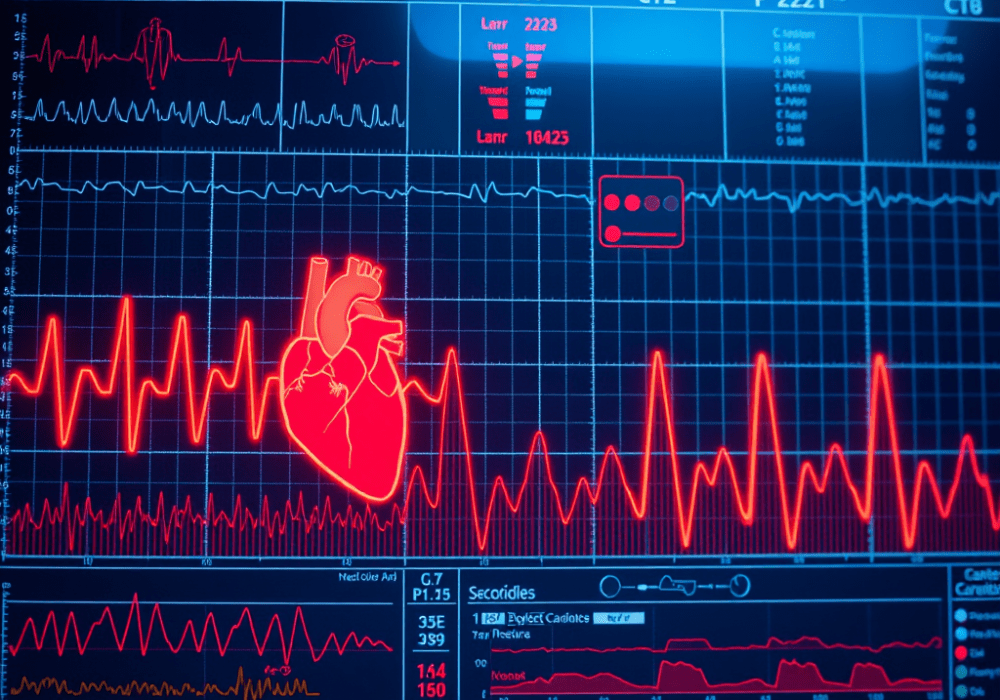
Last Friday, I had my first PETScan. What is a PETScan? It is a test that is used to find inflammation in the body. Used for Sardoidosis – especially when you have a ICD (no more MRIs for me). The machine reminded me of pictures I’ve seen of an open MRI. There was prep for this test – NO CARBS – NO SUGAR. My cardiologist asked me to start early if I could. I started my prep Tuesday night and ended Thursday night at 8:20 pm. I then started a 12 hour fast prior to my required time at Jefferson. My ‘diet’ for the week allowed – PLAIN protein (bacon allowed), Nuts (plain), Eggs, Water, and Black Coffee. I kept it simple – Soft boiled eggs and bacon, bacon wrapped plain chicken tenders, and eggs/chicken cooked in bacon grease (yes – you have to get your flavor somewhere!), and plain pecans/walnuts. Way easier than colonoscopy prep. This prep is important to ensure blood glucose prior to the test is under 200. Mine was at a nice 91 (I was able to have water and black coffee during the 12-hour fast). For the next hour, I sat quietly as the trace they injected into me traveled to my heart to ensure the scan was able to see what it needed to see. What was it looking for? Inflammation – specifically – granulomas – key signs of Sarcoidosis! The test is easy and non-invasive – they slide you in (take a blanket though as the room is chilly) and take the ‘pictures’. No holding your breath – I had to do that with the cardiac MRI (pre-ICD). My cardiologist prepped me that she thought I’d still have some inflammation based on how much inflammation I had back in April. She said she would call me to discuss my results (as she would also consult with my Rheumatologist on next step treatments). Jefferson uses myChart – so of course all day Friday – I’m checking the portal and nothing. I figured my Cardiologist was holding the report until she could speak with me. The report showed up in my portal Saturday evening! The report results = “No evidence of active myocardial sarcoidosis!!!” WIN #2!! I’m so pleased with the results! This doesn’t mean I’m cured / in remission – but it is the first step for remission! My Cardiologist and I haven’t been able to connect this week to officially discuss the results, medication adjustments (hoping for another taper on the prednisone), timeline for next PETScan (and remission milestones)!

I’m extra grateful this Thanksgiving for the love and support from all of you during this journey and of course – the results this week!

PS – I will be laying a bit low this winter as I’m on immunosuppressant medication (I’ve had a cold for over a week!) (and I don’t think they will change that medication) and I’ve been sick 3 times so far this fall (nothing major – just annoying!)
Part 4 – My Cardiac Sarcoidosis Treatment Plan

My cardiac sarcoidosis diagnosis was a result of the team at Duke digging into to find out why I was having bradycardia – heart rate per minute of less than 60 – remember mine was at 40 (and I wonder if it went lower??)

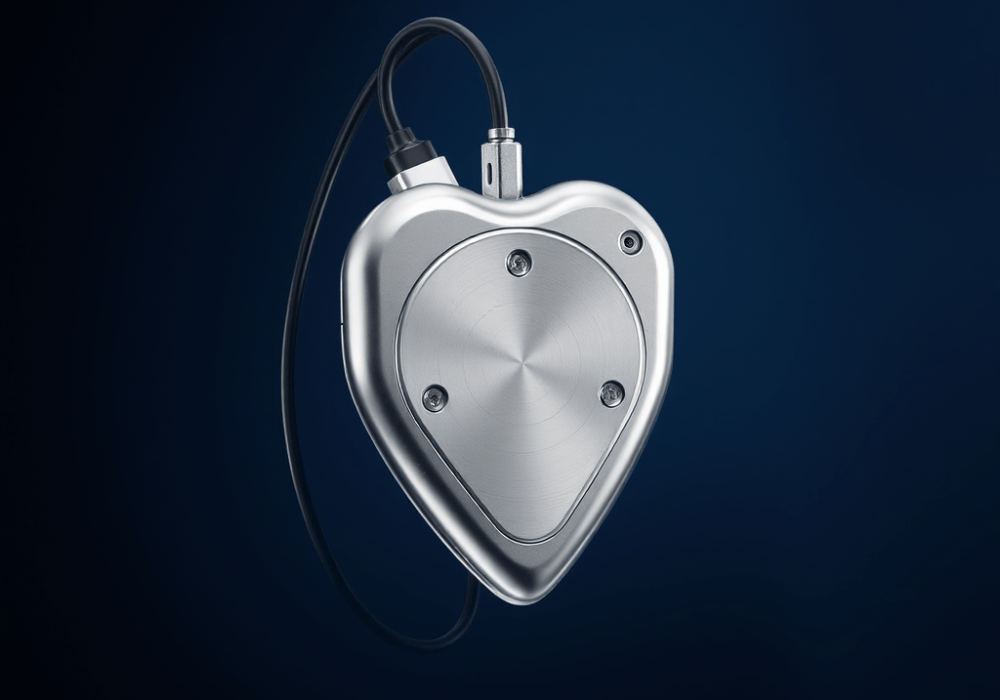
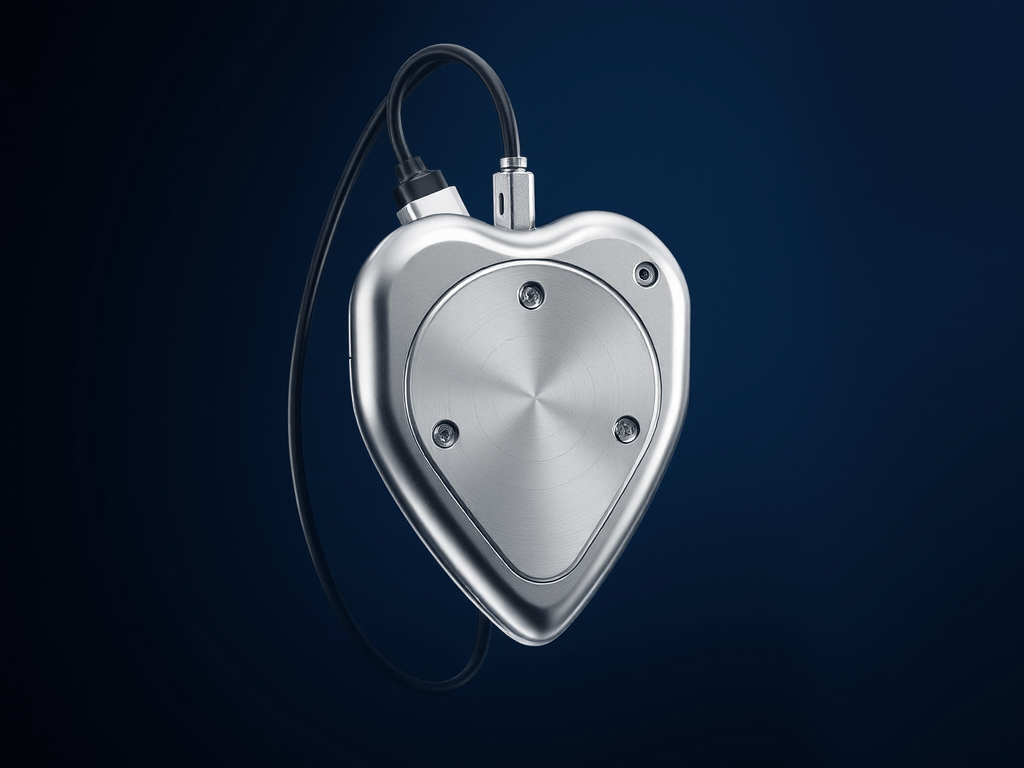
I have a new appliance and it isn’t in my house! In order to make sure my heart rate sits in the normal range – I’m now the proud owner of a pacemaker / defibrillator (aka ICD)! I still remember the nurse in the ER saying I would most likely get a pacemaker – I really didn’t believe her as it was a bit of off the cuff remark (or that is how it appeared to me).

A little background – based on my short amount of research – most who are diagnosed with Cardiac Sarcoidosis – have a very high heart rate and the defibrillator will shock to get you back to a lower rate. On May 1st, Duke wanted to implant a Bi-ventricular ICD (3 wires – which means one wire in each ventricle and 1 in the atrium – unfortunately one of the wires – just wouldn’t work with my body – so I have a 2 wire pacemaker / defibrillator.

The ICD implant procedure was about 2 hours – I was completely under. I was groggy during recovery (I had a heart biopsy in the AM – where they gave me a relaxing sedative – I was awake for that). I had to go on oxygen for a bit until I was getting enough into my lungs – I was tired and it felt like I had a 10 lb. weight on my left shoulder (that was the compound bandage) (and I found out the next day – they used to put a weight on the shoulder around 8 – 10 lbs). I was finally able to eat dinner and enjoy my melted but still yummy vanilla milkshake from Chick-Fil-A (thanks Jill!).

The first 12 hours or so (my recollection) are the most important for the placement of the ICD. They had me up super early for an x-ray (all was good). Then I had a technician set and test my ICD – I felt the pacing a little bit during the test. I’m set to pace at 60 and I think max at 240 (again that is memory – not confirmed – I need to ask the next time I go see my EP Cardiologist). I had doctor’s visits from my care team – Cardiology and Rheumatology. I can’t say enough how wonderful the my CARE team was at Duke!!!

I was lucky to have part of my CARE team either from the Philadelphia area or they went to school in Philadelphia (or both). They helped me get appointments at Jefferson University Hospital so my follow-ups were set before I left Duke on May 2nd (yes I was discharged the next day).

The ICD addresses the electrical part of my heart’s function. I have a monitor at home that is enabled with a cellular connection (I work for a large MVNO so I of course looked to see if the connectivity was provided by my company – it wasn’t – it is connected via Vodaphone). The device checks in overnight about once a week to provide reporting. Plus I can manually send a transmission – which I’ve done twice (all was good both times). I don’t have to take the transmitter with me when I travel – the data is stored. Only time I would need to have it with me is if I was going to be away for a month or more.

To address the inflammation caused by the Sarcoidosis – I was put on prednisone. I’ve had lots of tests and one of the things we found is that my ICD (the pacemaker portion was set to be overly sensitive – so that has been adjusted). As a result of the adjustment – we discovered that I’ve been pacing less and less – what does that mean? It means that the pacemaker hasn’t really had to intervene with my heart’s electrical system – which to me says the inflammation is going down! YEAH!! I’m currently tapering my prednisone and on Cellcept – a corticosteroid-sparing therapy (Cellcept is also used for transplant patients). I’m doing well managing the side effects of both medications. I’m tracking my BP and Glucose daily as both can be raised while on both medications. Both are within normal ranges – so very happy!!! Since I’ve been on prednisone since May – I’m on an osteoporosis prevention medication 1x per week (I will stop that once I’m off prednisone). And I’m taking 2 supplements – Calcium and Omega 3 with Vitamin D & K – all reviewed and approved with my care team (really important to share supplements). All that being said – I will be reviewing medications and interactions with my Pharmacist – always good to double and triple check and ask questions! Remember – be your own BEST ADVOCATE!!!

PS – For those reading who are newly diagnosed with Sarcoidosis – based on all of my research (since May 2025) – the medication treatment can be different as it is a bit of seeing what works and what doesn’t work to get the inflammation down.

The current image has no alternative text. The file name is: boston-scientific-2-wire-pacemaker-defibrilator.png

Part 3: What is Cardiac Sarcoidosis?

When they told me the clinical diagnosis was Cardiac Sarcoidosis – I had no idea what it was and of course had to google it! (and I kept mis-pronouncing it – LOL). Searching on the internet can be great but as you know take you down a dangerous rabbit hole (and trust me – I did go there)!

Here is what I found initially:

  • Sarcoidosis attacks the lungs (primarily), eyes, skin, and heart (and can attack other organs too)
  • About 50% for cardiac sarcoid diagnosis are from people with Japanese descent.
  • Did you know Bernie Mac had Pulmonary Sarcoidosis – The Bernie Mac Foundation supports Sarcoidosis patients?
  • It is considered an autoimmune disease – and ideally having a care team that covers many disciplines is super important.
  • It is considered a ‘snowflake’ disease – it means it represents differently in each individual. And it is hard to diagnosis – many go years without a diagnosis (I’m keeping my fingers crossed we caught mine early)!

A Simplified Explanation

As I mentioned above, Sarcoidosis is an autoimmune condition (and I wasn’t one of the Gen Xer’s who ate a lot of Flintsone vitamins!) that causes your body to form inflammatory cells called granulomas. They can show up anywhere – primarily lungs, eyes, skin, and heart – even lymph nodes and other organs. When it is in the heart – it is called Cardiac Sarcoidosis!

My immune system has gone a bit rogue and allowed the granulomas to grow on my heart walls where the electrical system operates. Remember in health class when you studied the heart – you have the Atrium (2 top chambers of the heart) and the Ventricles (the 2 bottom chambers of the heart)? The walls separating the chambers is where the electrical system of your heart functions telling you heart to pump and send blood to your brain and other organs. The granulomas are on my heart walls and a tiny bit in the lower right ventricle (and if you are going to have in your ventricle – mine is in the better option!) which resulted in Heart Block (or conduction block – which means the electrical signals are slow or stop – mine were slow – heart rate at times as low as 40 beats per minute and even lower – mine NEVER stopped!). Cardiac Sarcoidosis can cause Irregular Heart Rhythms (arrhythmias), Heart failure symptoms (fatigue, shortness of breath, and swelling – the week before I had fatigue and shortness of breath – but not at the same time – and I chalked it up to online meeting fatigue and my asthma while walking), and lastly Sudden Cardiac Arrest (really glad I didn’t know this until later in my research – https://www.heart.org/en/health-topics/cardiac-arrest)!

Here is the tricky part – it doesn’t always announce itself with extreme symptoms – see the ones I had a few days before – just not feeling right, shortness of breath, and fatigue – which I kind of brushed off. I may have even had a head rush or two – all on different days. I felt fine the day I left to travel to North Carolina – I chalked a lot of it up to the heat we were experiencing in NJ.

Why It’s Often Misunderstood or Missed?

Cardiac Sarcoidosis is also called a ‘zebra diagnosis‘ – it’s rare and often hides behind more common explanations. Symptoms can mimic anxiety, chronic fatigue, or general heart issues. Standard tests don’t catch it and specific imaging (PETScan or Cardiac MRI), biopsies (and in the heart no guarantee biopsies confirm as no control on securing the inflamed granuloma), and a team who knows what to look for to diagnose. Again, so happy I ended up at DUKE right place – right time for sure! Mine was and still is a clinical diagnosis – the biopsy I had didn’t confirm granulomas (which is random based on samples from the heart – not as targeted as other biopsies). Down the road, I’ll have a PETScan to see how everything is progressing (I’m on steroids right now so need to taper to a lower level for a PETScan to show up correctly).

Why I’m Sharing?

As I mentioned before, I’m sharing my journey as I want others to feel empowered to ask questions, push for testing, and listen to that voice in your head – “this isn’t normal for me.” I’m super lucky that DUKE pushed even more than I did to get an answer! Keep showing up and speaking up! Thank you for reading and walking with me on this journey!

“Love yourself first, and everything else falls into line.” – Lucille Ball

Part 2 – The Diagnosis

I arrived at Duke with a team ready and waiting to take care of me. They immediately ruled out many issues including a heart attack (lots of blood drawn). I shared all of my symptoms from the day and the prior week. We discussed prior history including my Lyme Disease Diagnosis back in 2012 (I was told it was too long ago for that diagnosis to impact what I have no – I pushed back and said – there isn’t enough research with Lyme Disease!).

It was decided to admit me to overnight into ER observation. The next morning – I was fitted for a Holter Monitor ( https://www.heart.org/en/health-topics/heart-attack/diagnosing-a-heart-attack/holter-monitor) – so my brother and I started looking at flights back to Philadelphia. We were waiting for a discharge update and the next thing we knew I was being told I was being admitted to the Cardiac Floor and having a Cardiac MRI. We asked for a doctor to come in and explain the change in direction (that never happened – in the end – there was an opening with the Cardiac MRI and they wanted to get me in there ASAP as they couldn’t understand why someone my age with no family history of heart issues at this age had such a low heart rate).

Have you ever had a Cardiac MRI? This was my first. It was 90 minutes long as the MRI was with and without contrast. I listened to George Winston – December (my go to for a MRI). The music relaxed me for the test. This was a MRI where I had to participate – I had to hold my breath for periods of time so the MRI could capture the up and down of my heart rate (when I counted to 20 I had to clench my fist – I was able to hold my breath for the time needed).

After the Cardiac MRI, the Cardiologist came in and shared that I most likely had an autoimmune disease that was attacking the heart and creating heart block (think electrical system of the heart vs. heart blockage). The diagnosis Cardiac Sarcoidosis! Have you ever heard of it? I’ve never heard of it.

I was at the right place at the right time as Duke University Hospital has a Sarcoidosis Clinic (https://www.dukehealth.org/treatments/sarcoidosis)! I believe if I hadn’t traveled to North Carolina that weekend – I wouldn’t have the diagnosis as quickly as I did and the treatment started. My diagnosis is a clinical diagnosis from the Cardiac MRI (Duke has 3 -4 Cardiac MRI machines and UNC Chapel Hill has 1 – after that there isn’t one for over 100 miles!). I had a heart biopsy later in the week that was inconclusive (that happens as the sample can be hard to find the inflammation). I had a CT scan as well and there wasn’t any other inflammation – which is important as Sarcoidosis can attack the lungs, skin, heart, and just about any organ.

The Cardiac Nurse who was with me in the ER and then with the diagnosis on the Cardiac floor (I wish I could remember her name – she went to University of Pennsylvania for Nursing) – we had a connection – she could read my face I’m sure – she reiterated a couple of times – “Thank goodness you didn’t get on the plane to PHL” and she asked me multiple times – “Are you OK?” “How are you doing?” In full transparency – I was scared! I still am as this is an unknown journey – but I’m up for the challenge! I feel extremely lucky that I was diagnoses so quickly and feel like we caught it early!

Part 1: Why Advocating for Your Health Matters: A Personal Experience

I traveled to Raleigh, NC at the end of April to see my niece’s final dance recital at UNC Chapel Hill. The Star Heels performance on Saturday was fantastic. I so enjoyed watching this amazing young woman (who was graduating in 2 weeks) with her final performance – I’ve been watching her dance since she was a little girl. You can see the love and passion for dancing in every performance! That weekend – I also had a chance to re-connect with life long wonderful friends – my best friend from High School and one of my best friend’s from my time in TX (she is like a sister to me!). It was a fantastic weekend!

Sunday driving to the airport, I had a strange maybe 2 second strange feeling (no other way to describe it). I returned the rental car and the feeling happened 2 more times on the rental car bus. I arrived at the airport decided to sit down for a few minutes and the sensations continued. What did I do? I googled my symptoms! I had a seizure 3 years ago (one and only time) and thought the symptoms were a pre-cursor to one. It was NOT a Seizure!

There were a two decisions I made that day that I’m so grateful I made – I listened to my body as I knew something wasn’t right – I never went through security and flagged down a police officer to tell him I needed help! It probably saved my life! EMT’s arrived – my blood pressure was normal, pulse ox was normal, and my glucose was normal. What wasn’t normal? My heart rate! It was Elite Athlete Low – I have always considered myself an athlete (even when I haven’t exercised regularly) – but when I was playing competitive sports – I was never Elite!

I was alert the entire time (never fainted) and I was able to call my brother (who was at the airport with his family) who joined me with the EMTs. I was able to ask questions and advocate for myself and my brother advocated for anything I missed. One of the most important things I’ve learned over the last 3 years with healthcare – advocate, advocate, and advocate! Based on my heart rate – I need to be transported to an ER – I had two choices – a Regional Hospital or Duke University Hospital – I clearly chose Duke!!!

Why did I share the above? I believe I’m part of a generation who doesn’t want to waste a doctor’s time or go to the ER and it’s a False Alarm. This is a real thing – “In a 2018 British study, one in five people avoided going to the doctor because they didn’t want to ‘make a fuss’ or ‘waste time’ with something minor. This was even higher in women and middle-aged adults (source Cancer Research UK). Psychological barriers – like self-doubt and guilt (‘What if it’s nothing?’ or ‘I’m just overreacting’) contribute to delay – especially when symptoms are vague, like fatigue or dizziness. PS – I had fatigue, head rushes, and shortness of breath (I blamed it on the heat) the prior week at different times.

Delaying care due to fear of overreacting can mean missing early warning signs. Doctor’s would rather check out a false alarm vs. miss something serious.

Bottom Line – You know your body better than anyone else, listen to it, and I’m so grateful I did!

The current image has no alternative text. The file name is: create-a-featured-image-capturing-a-heartfelt-moment-of-a.png